Every Sheep Farmer Needs an Artist
Material Heritage, Shared Labor
An ongoing collaboration between artist, farmer, shearer, sheep, land, and community, bringing cultural, ecological, and economic value back to American Karakul wool. The project transforms twice-yearly shearing into an ever-growing participatory installation, with skill-sharing woven into the process.
Every Sheep Farmer Needs an Artist
Material Heritage, Shared Labor
At the heart of this project are relationships: farmer, sheep shearer, and artist; animal and land; hand and material. Through long-term collaboration, the work unfolds through labor, care, and shared responsibility. Making becomes a living system—rooted in stewardship, material intelligence, and community connection.
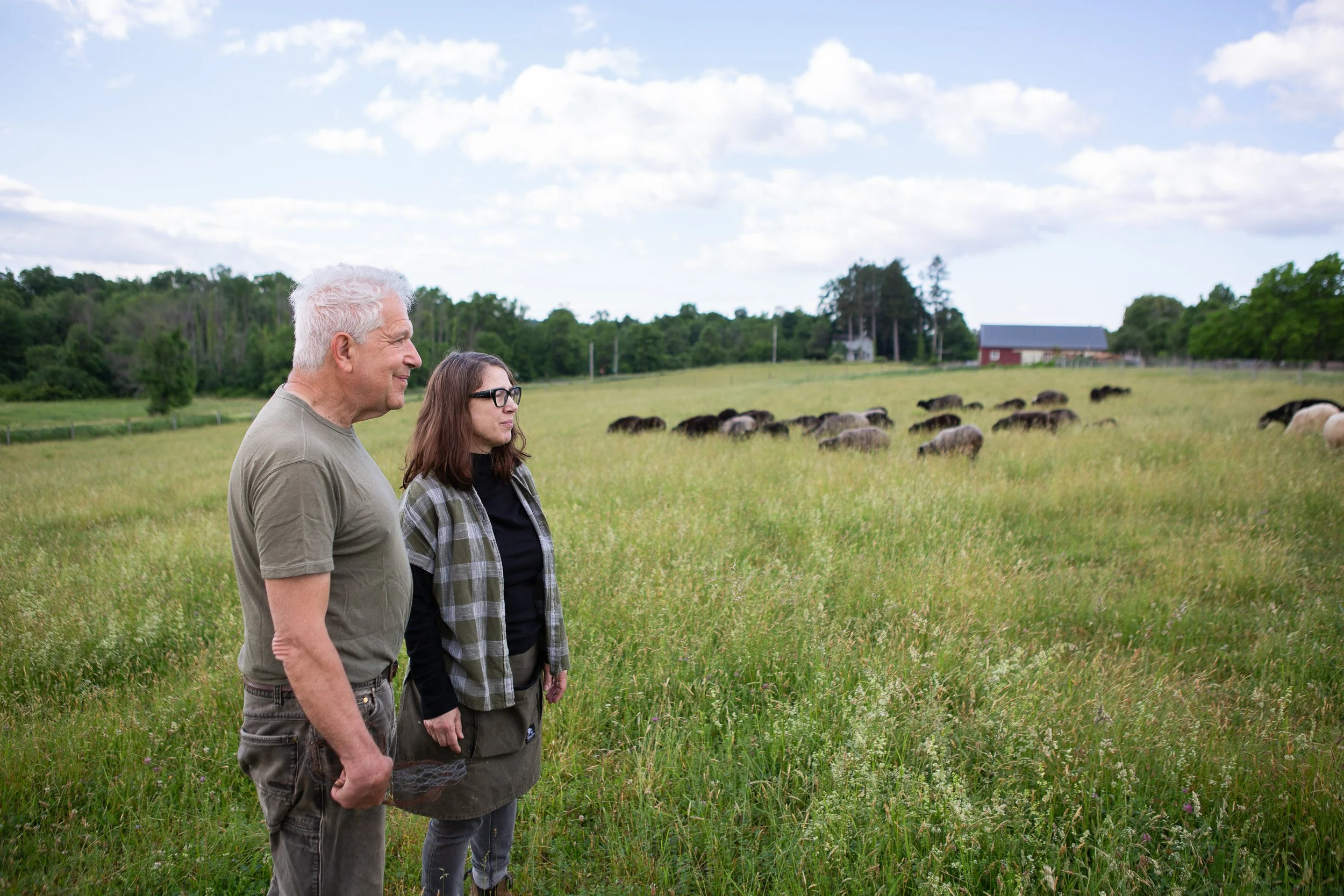
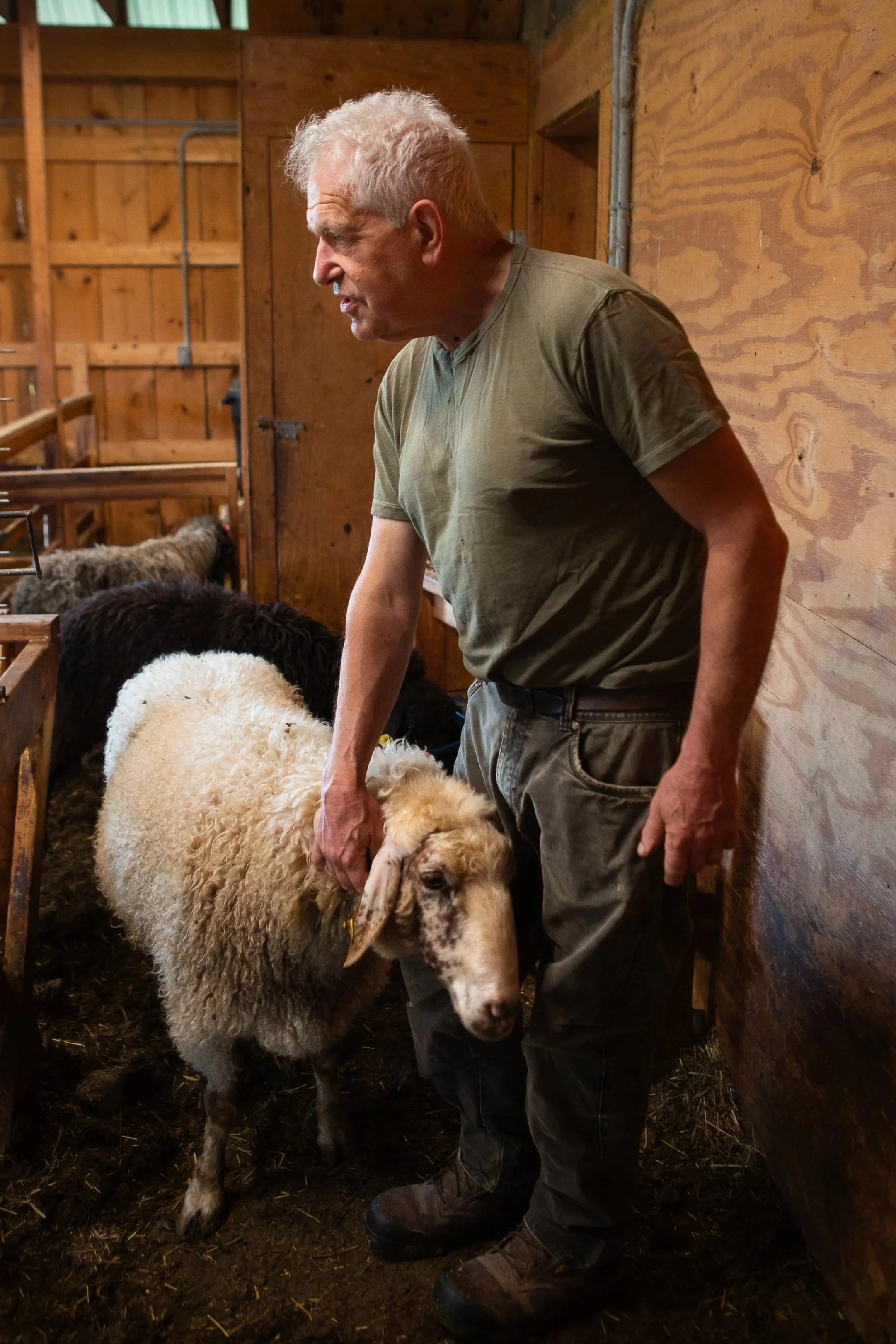
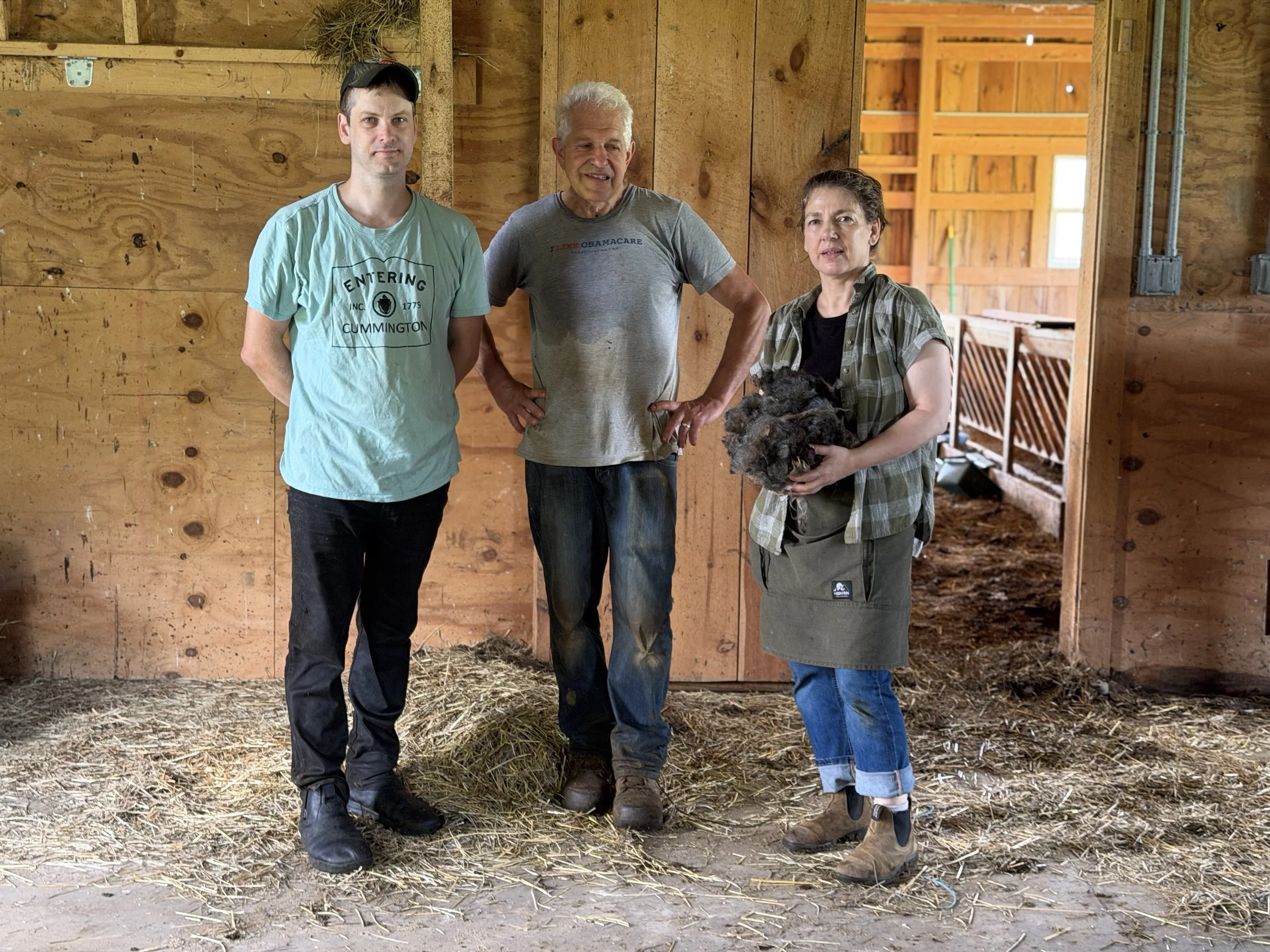
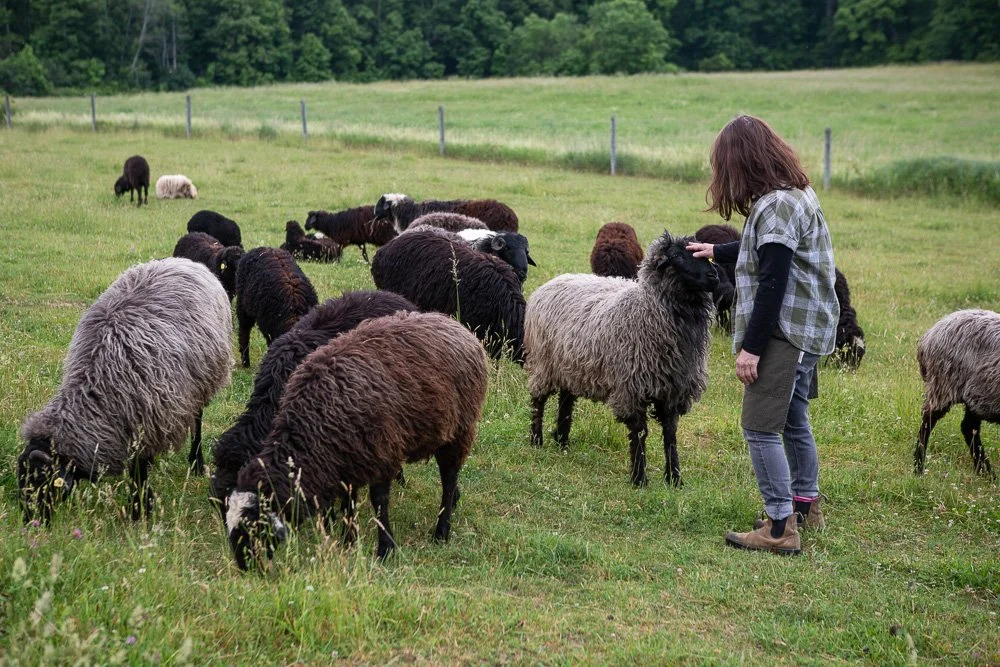
Every Sheep Farmer Needs an Artist is an ongoing collaboration between Mark, the sheep farmer at Turkana Farms in Germantown, New York; Aaron, the sheep shearer; artist Brigitta Váradi; and the flock of American Karakul sheep. Together, they form a collaborative ecology in which farming, shearing, and making become interconnected practices.
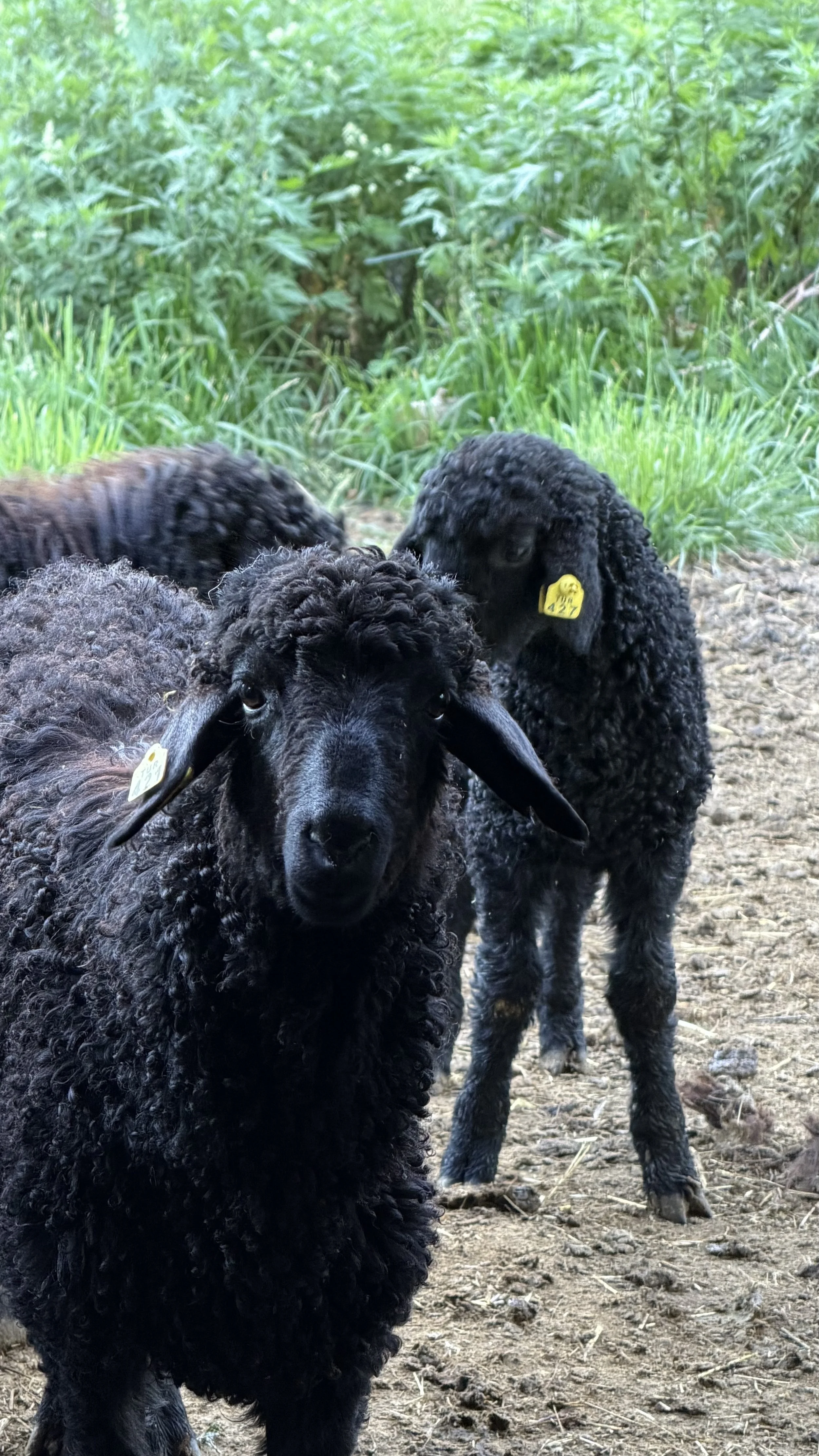
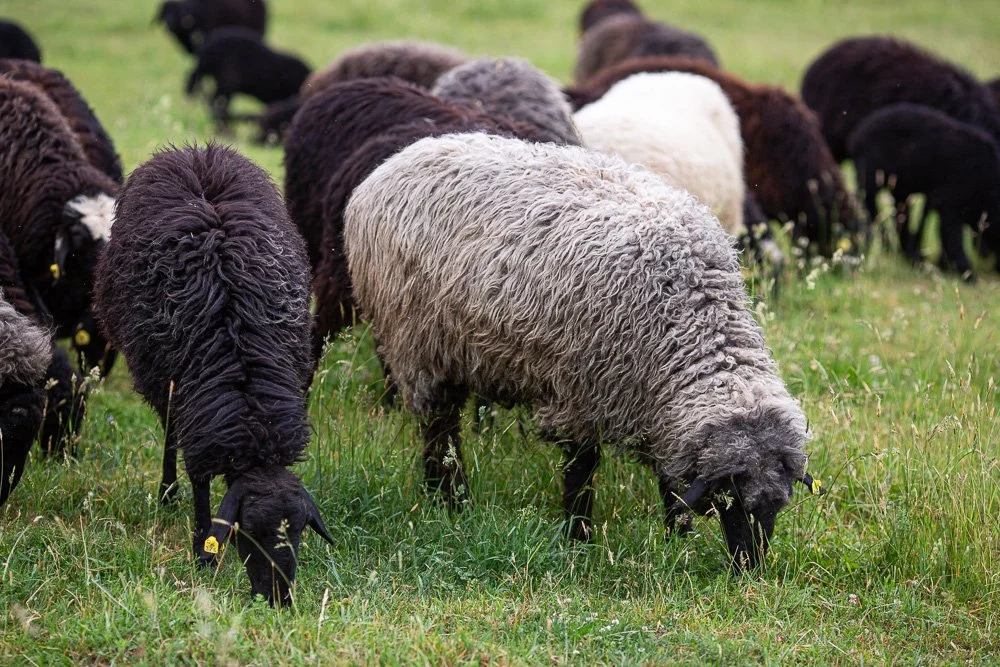
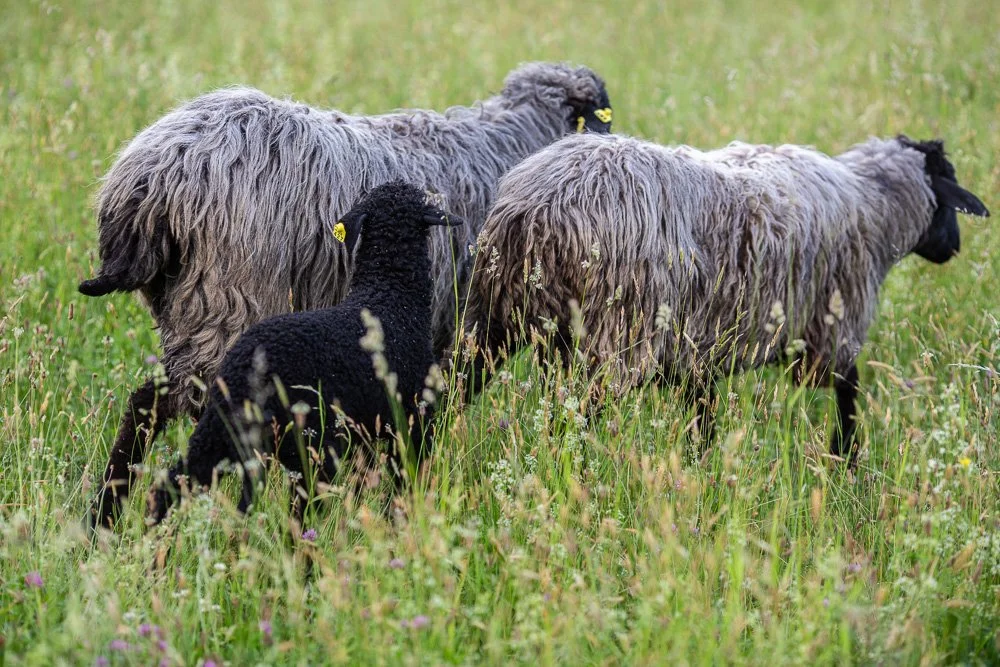
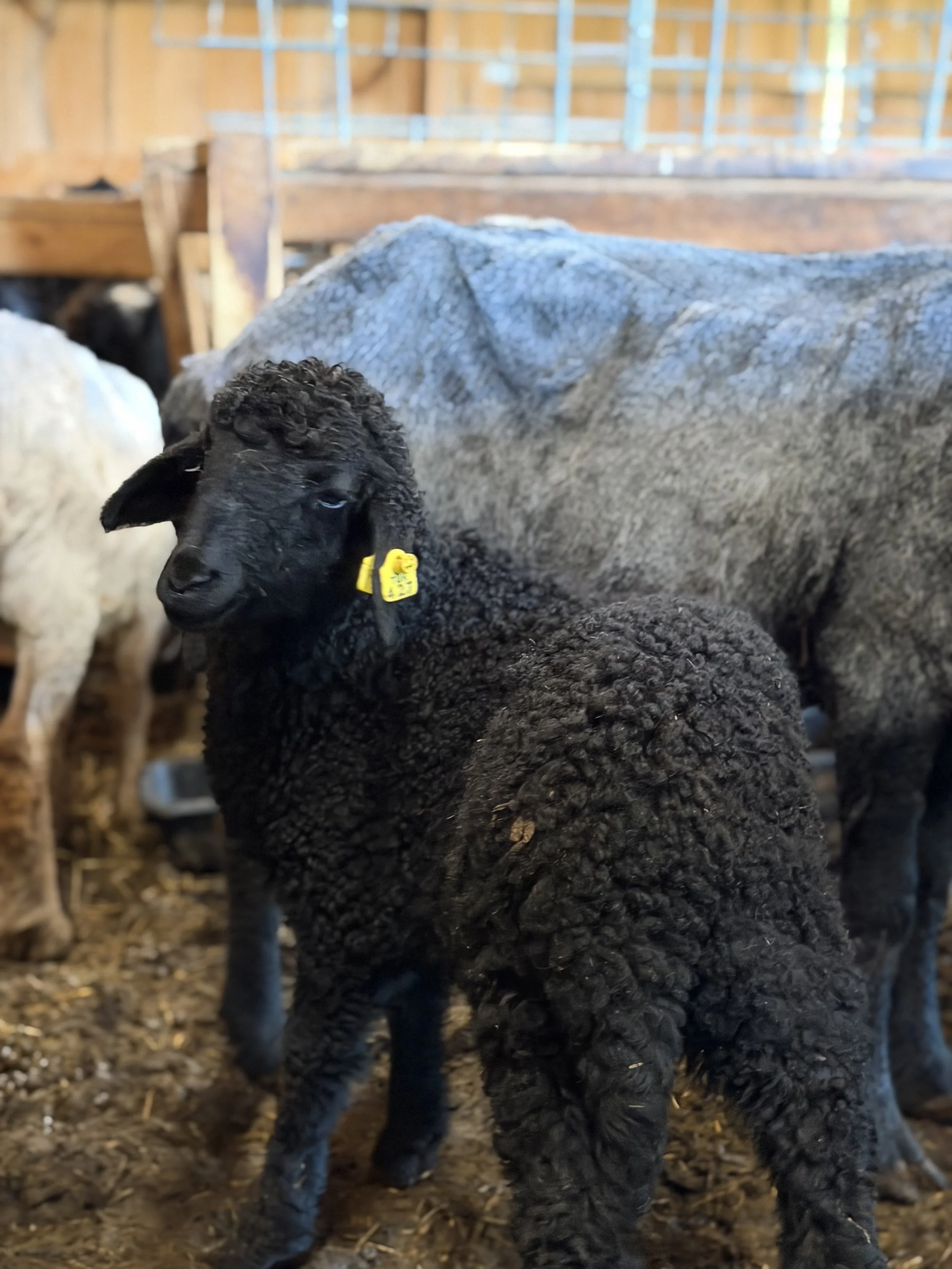
At the center of the project is the wool of the American Karakul, a rare and threatened heritage breed. The fleece carries the memory of the farm’s yearly cycle—weather, birth, growth, and the rhythms of care. As the sheep mature, their wool transforms from the tight, dark curls of early life to warm brown tones and eventually to the grey fleece of adulthood. Each shearing becomes a record of time, place, and the life of the animal from which it came.
As the cultural and economic value of wool has declined, a remarkable material has become an overlooked byproduct despite the continuing cost of shearing. Through this collaboration, the project restores value to the wool—supporting the farmer’s livelihood, honoring the shearer’s skilled labor, preserving the material heritage of a rare breed, and transforming the fleece into an evolving installation and body of work.
Since 2024, I have worked alongside Aaron, a shearer, and Mark, the farmer at Turkana Farm in Upstate New York, sorting, cleaning, measuring, purchasing, and felting American Karakul wool. The project’s title, Every Sheep Farmer Needs an Artist, came from a remark made by Aaron, the sheep shearer, while we were working together.
THE COLLABORATION
-
![Mark Scherzer]()
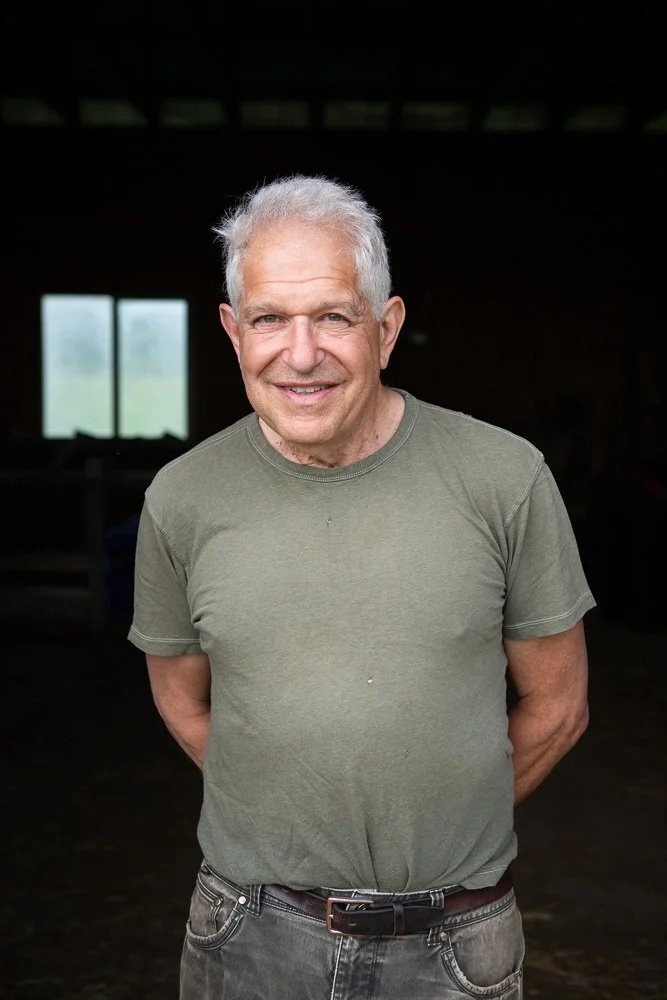
Mark Scherzer
Farmer, Turkana Farms,
-
![Brigitta Varadi]()
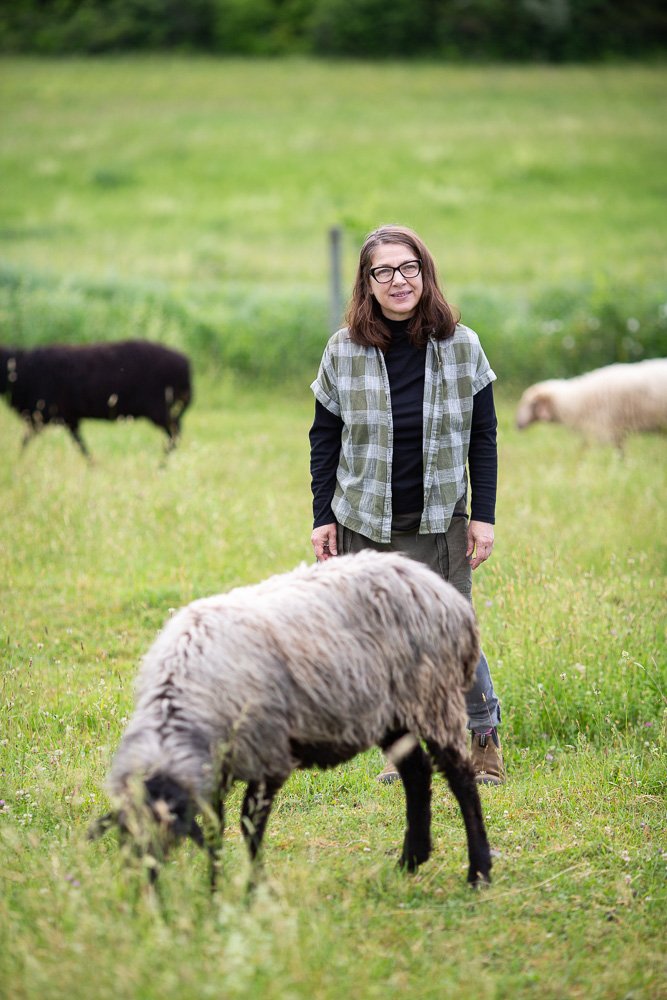
Brigitta Váradi
Artist
-
![]()
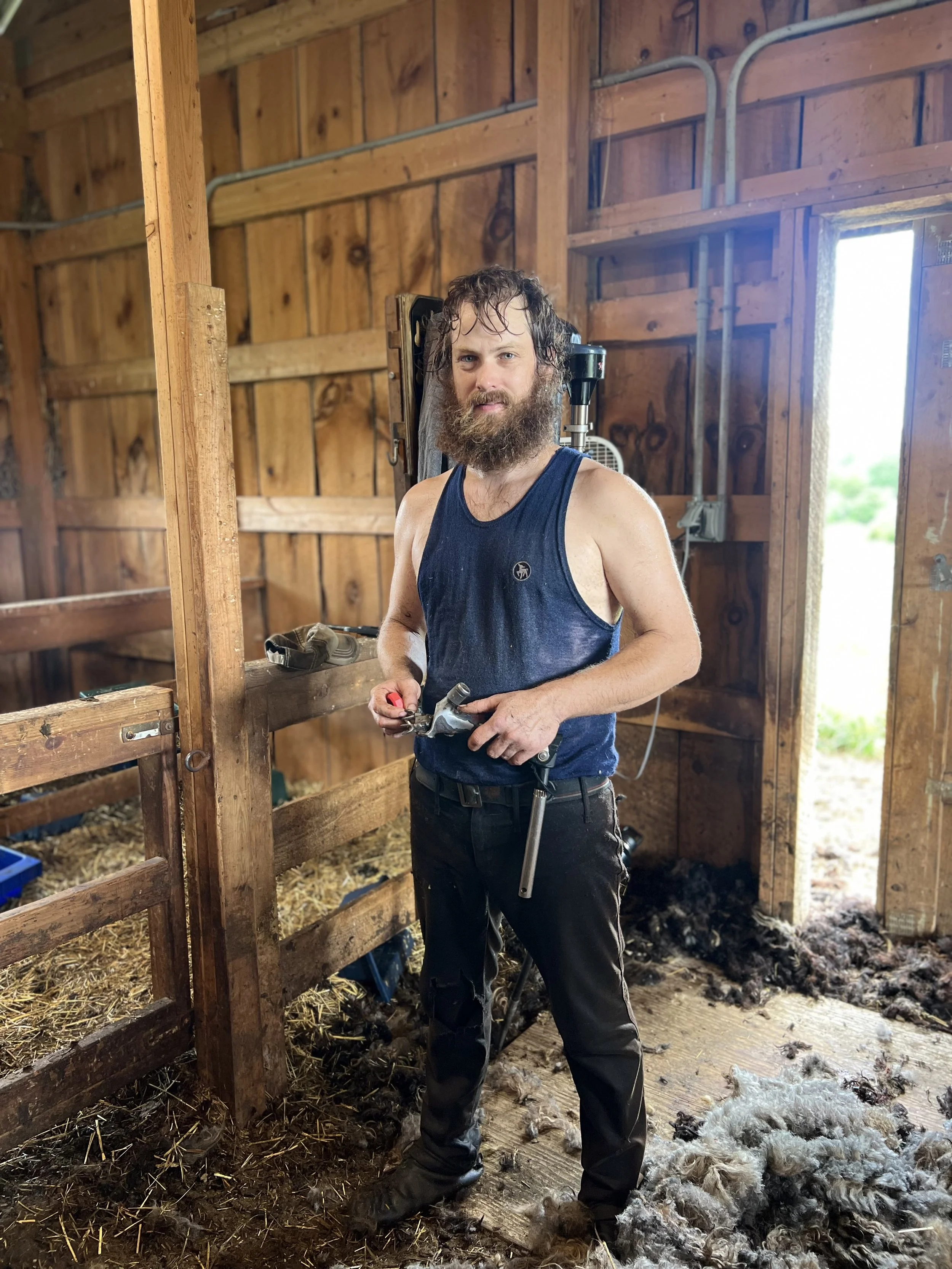
Aaron
Sheep Shearer
-
![]()
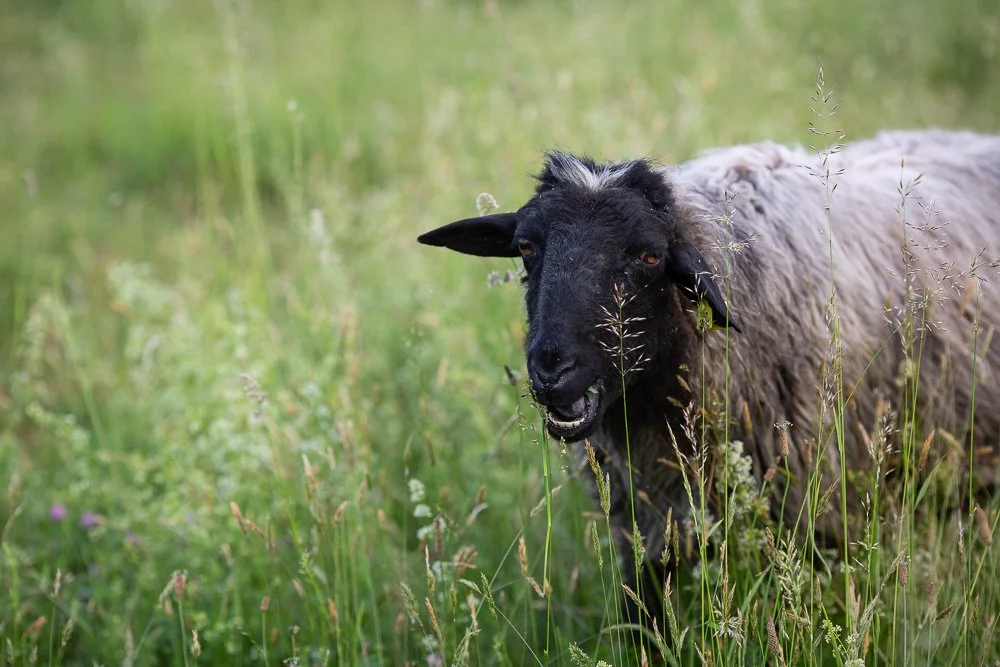
American Karakul Sheep
RARE HERITAGE BREED
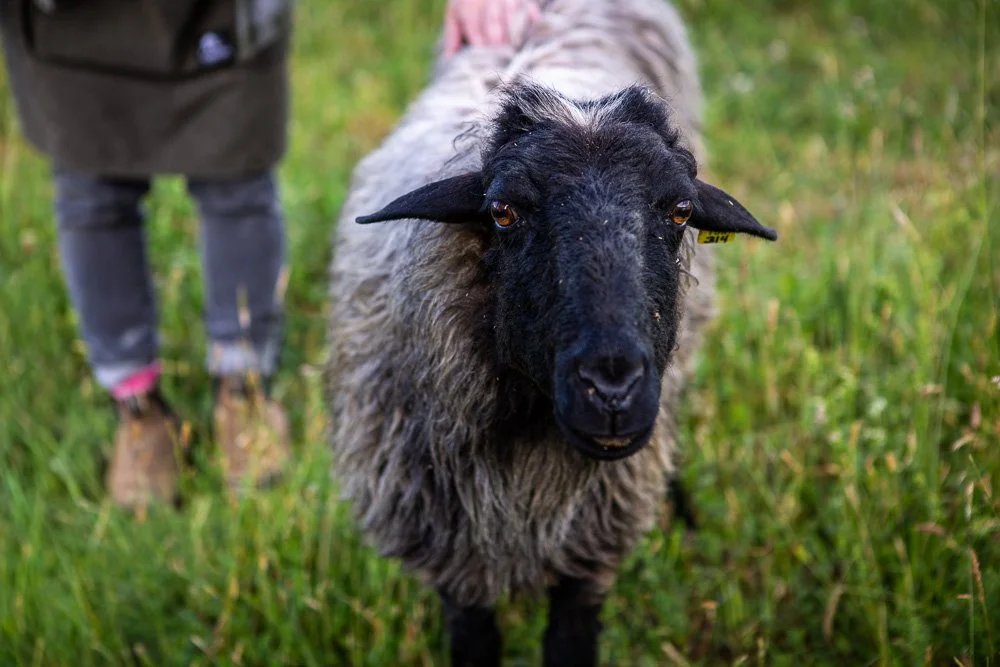
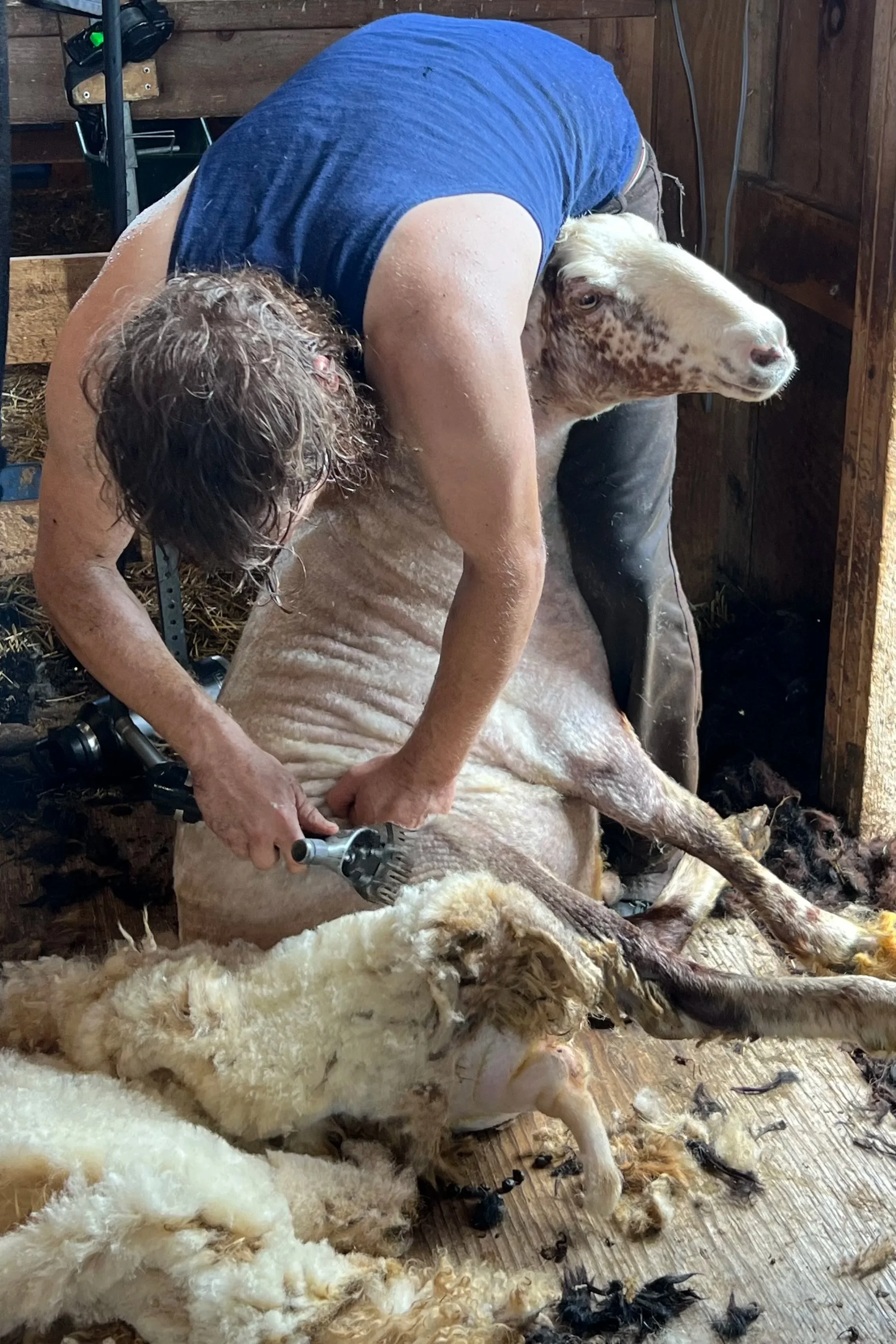
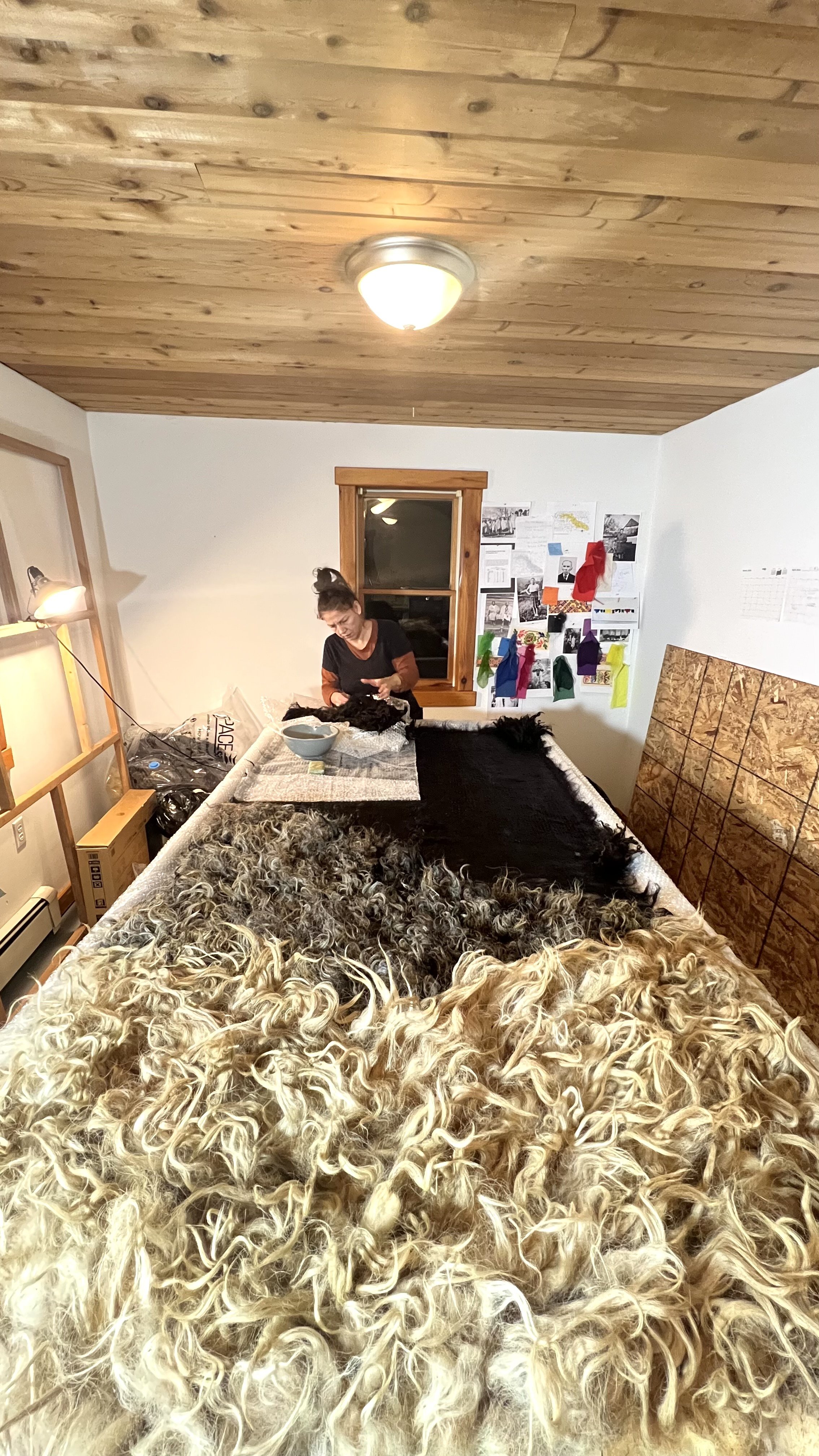
Before this collaboration began, the farm had no market for its wool. The shearing of a flock of 40–60 sheep, twice a year, was a necessary expense, while the wool itself had little to no economic value. Over five years, several hundred bags of sheared wool accumulated on the farm without a viable use. The stored wool was initially donated to the artist, who carefully sorted through the fleece and selected approximately 295 pounds to bring to her studio. This first collection became the catalyst for the project, initiating an ongoing collaboration between farmer, shearer, artist, animal, and material.
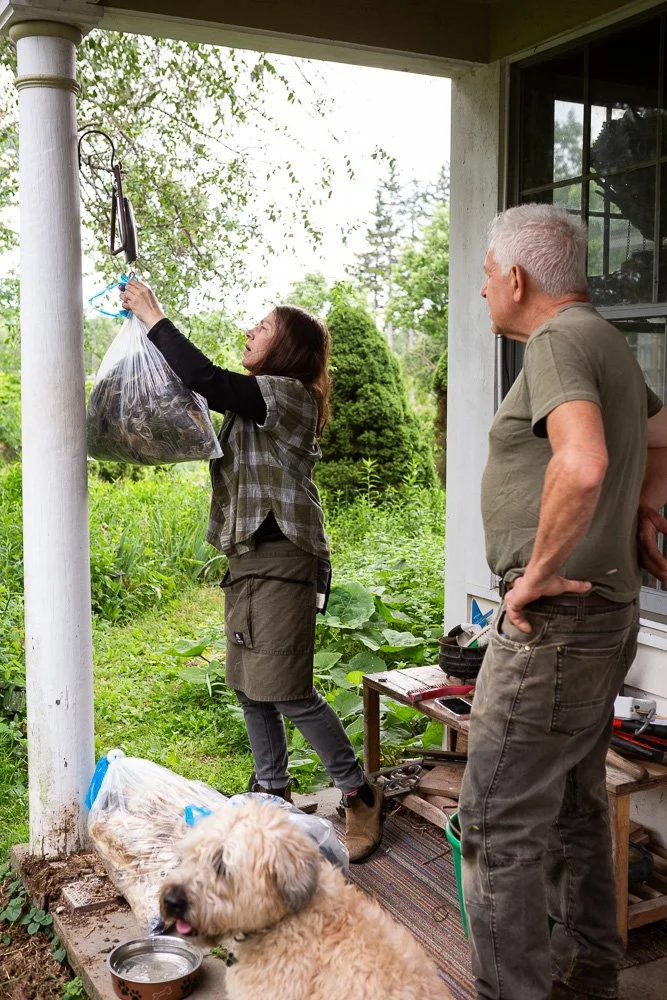
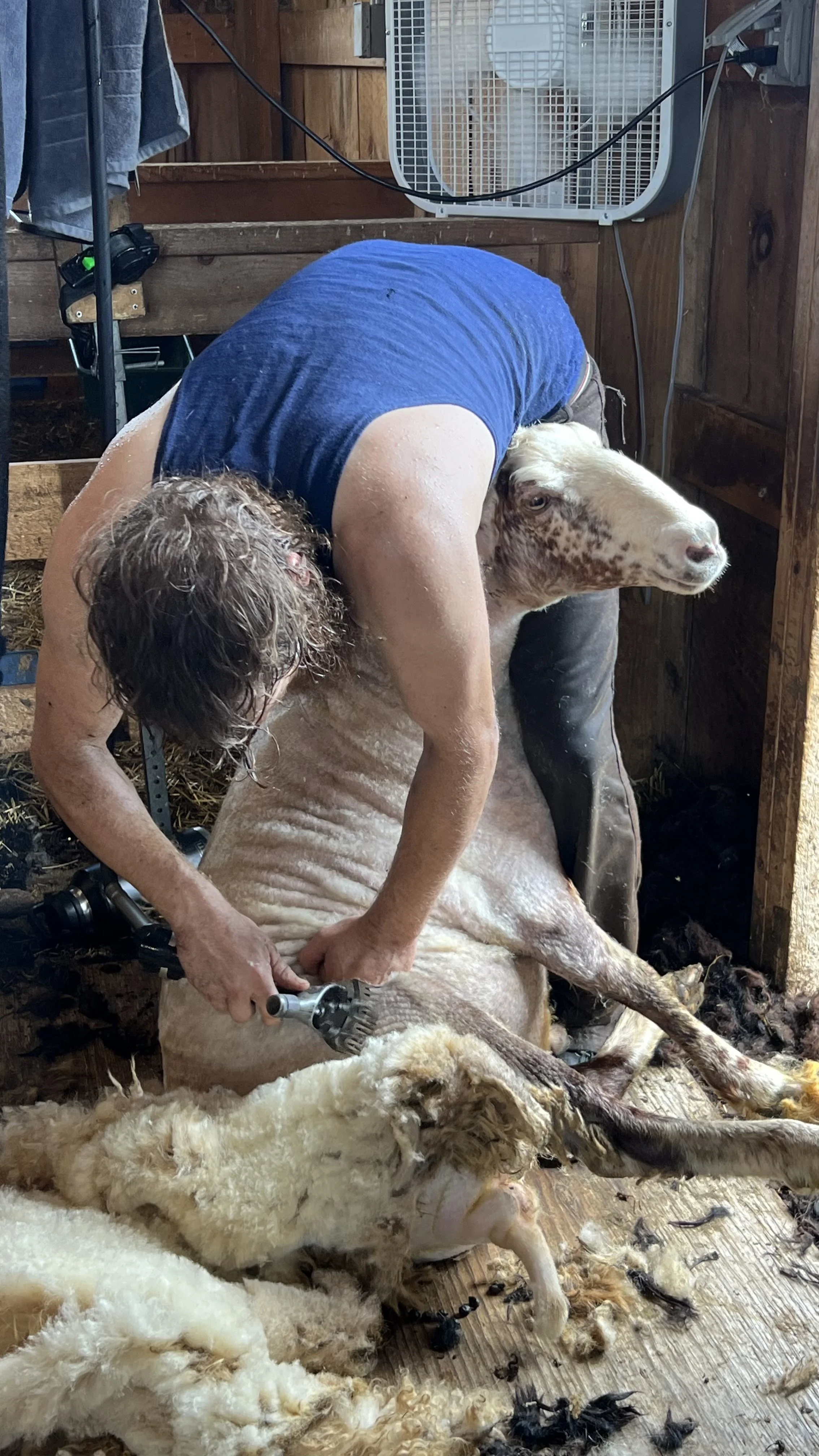
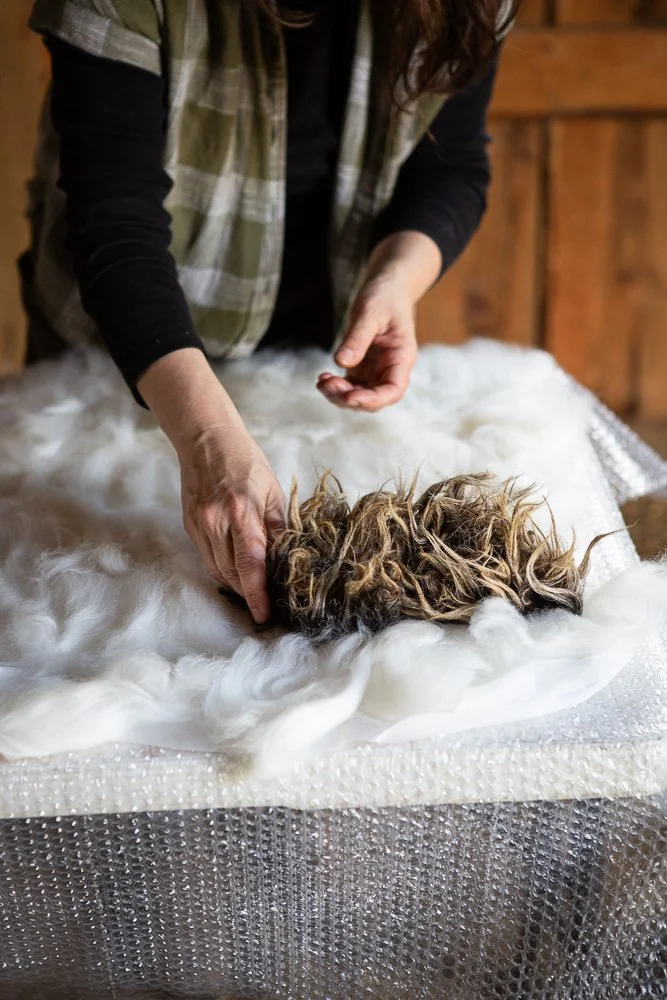
The project centers on American Karakul wool, a material with a long and complex history. Karakul is one of the oldest sheep breeds in the world, originating in Central Asia, and is a fat-tailed breed historically valued for its distinctive fleece, pelts, and connection to textile traditions. For centuries, Karakul fiber and pelts were used in regional textile practices, including rug making. Introduced to the United States in the early twentieth century, American Karakul developed as a distinct heritage breed. Once valued for its unique qualities, the breed has declined as industrial fibers and changing agricultural economies have reduced the demand for traditional wool. Today, American Karakul is considered a rare and threatened heritage breed, making the preservation of its genetics, agricultural knowledge, and material traditions increasingly significant.
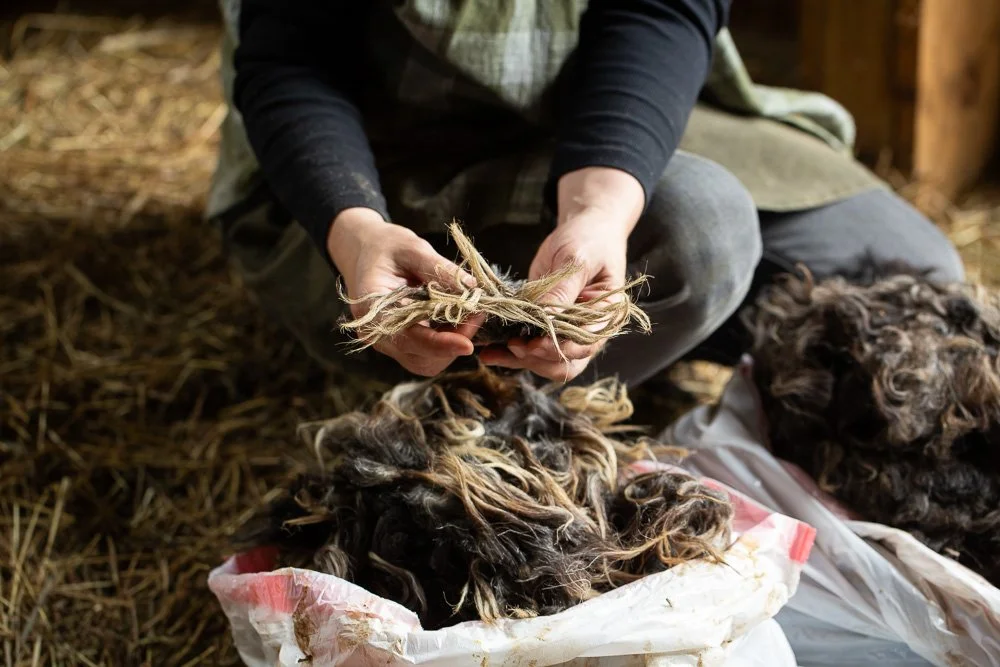
The wool carries the memory of the farm’s yearly cycle—weather, birth, growth, and the rhythms of care. Karakul fleece transforms throughout the life of the animal, beginning with the tight, dark curls of young lambs and gradually shifting into brown tones before becoming grey wool as the sheep mature. Each fleece holds a record of time, place, and the life of the animal from which it came.
PROJECT TIMELINE

2024 - Research Phase and Solo Show
Spring-Summer: A Cloak of Red, Slow as a Carpathian Rock, commissioned by River Valley Arts Collective. Curated by Marisa Espe at the Al Held Foundation, Boiceville, NY. Partially supported by the Emergency Grant Foundation for Contemporary Arts. 295 lb of wool is donated to the project by Turkana Farms, Germantown, NY.
Fall: Skill-Sharing Workshop at the Al Held Foundation, organized by the River Valley Arts collective.
2025 — Shearing, Expansion, Article, Lecture
Spring: Espe, Marisa. “A Cloak of Red, Slow as a Carpathian Rock.” Surface Design Journal, Spring 2025, pp. 12–17. Four projects across the world featured, highlighting cultural heritage and sustainable futures
Summer: Exhibition, 2-person show with Amy Podmore at The Re Institute. Purchased 79 lb of wool from Turkana Farms, still from shearing from years ago; with that, I totally cleaned up their wool storage loft. Read Essay by Meghan Clare Considine.
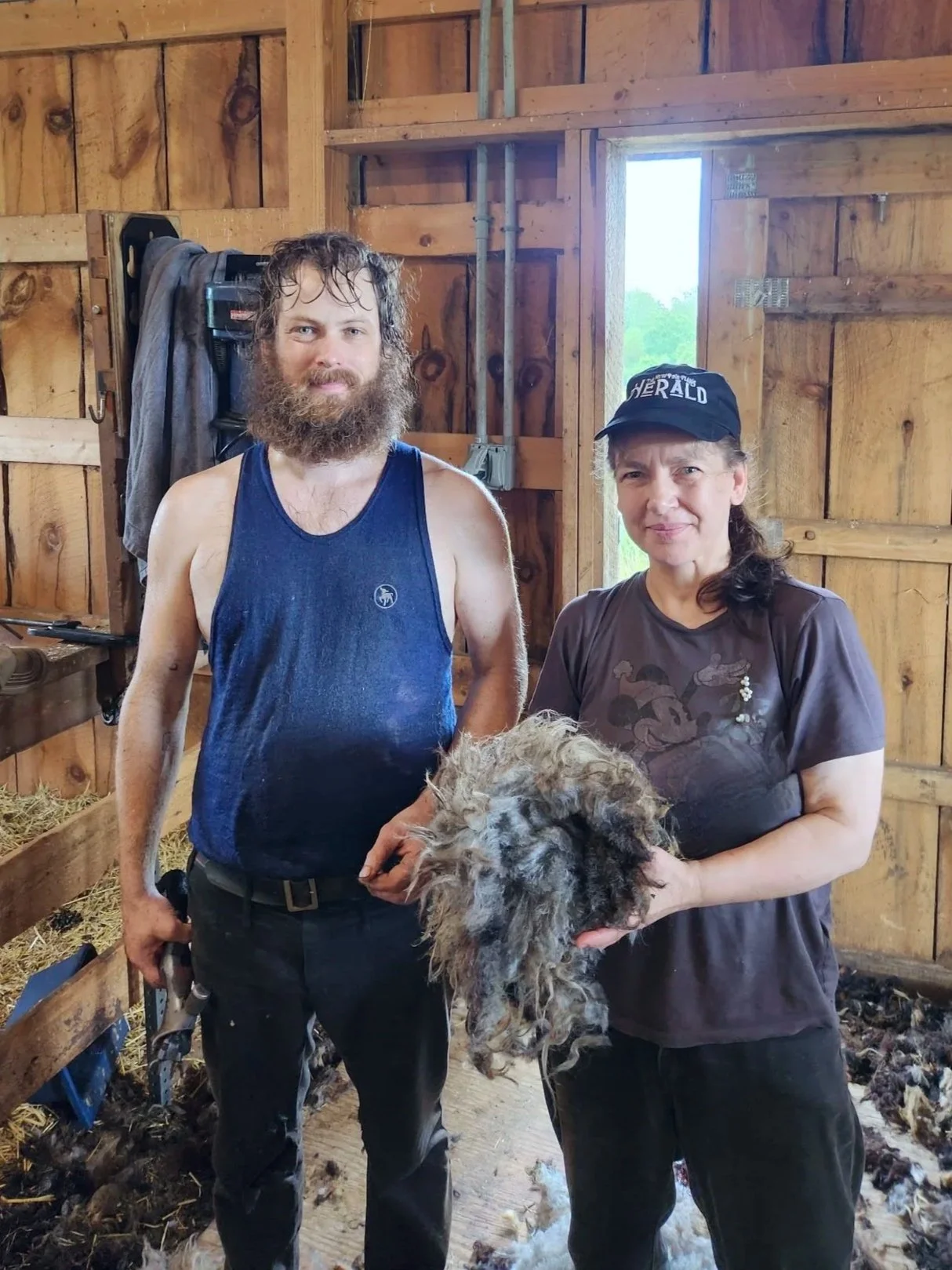
I joined Aaron for the first shearing in June. Side by side with the shearer and farmer, I sorted and paced the fleece on-site. I purchased 114 lb, keeping careful notes on grades and provenance to close the economic loop between farmer, shearer, and artist. Aaron’s remark, 'Every sheep farmer needs an artist', anchored the project's core mission. With each shearing, the work and installation expand.
Fall: Visiting Artist Lecturer at Pratt’s Fine Arts MFA program VALS, including a solo show, a public artist talk, and a studio residency.
2026 - NYSCA support, Expansion, Shearing, Artist Talk
Spring: Receiving NYSCA/New York State Rural and Traditional Artist Fellowship, administered by Shake on the Lake. Funding for this project is made possible with support from the New York State Council on the Arts, with support from the Governor’s office and the New York State Legislature.
Artist Talk, Every Sheep Farmer Needs an Artist at NYU I TISCH ITP
Summer: I joined Aaron for the shearing in June. Side by side with the shearer and farmer, I sorted and paced the fleece on-site. I purchased 164,5 lb, as the flock grows from 40 to nearly 50 sheep this year.
Animal Bodies, Athens Cultural Center, Athens, NY. The Works of Elana Herzog, Jean Shin, and Brigitta Váradi, Curated by Yasmeen Siddiqui. Artist Talk.
Windgate Artist in Residence ( WAIR ) and Visiting Artist Lecturer at SUNY Purchase, NY
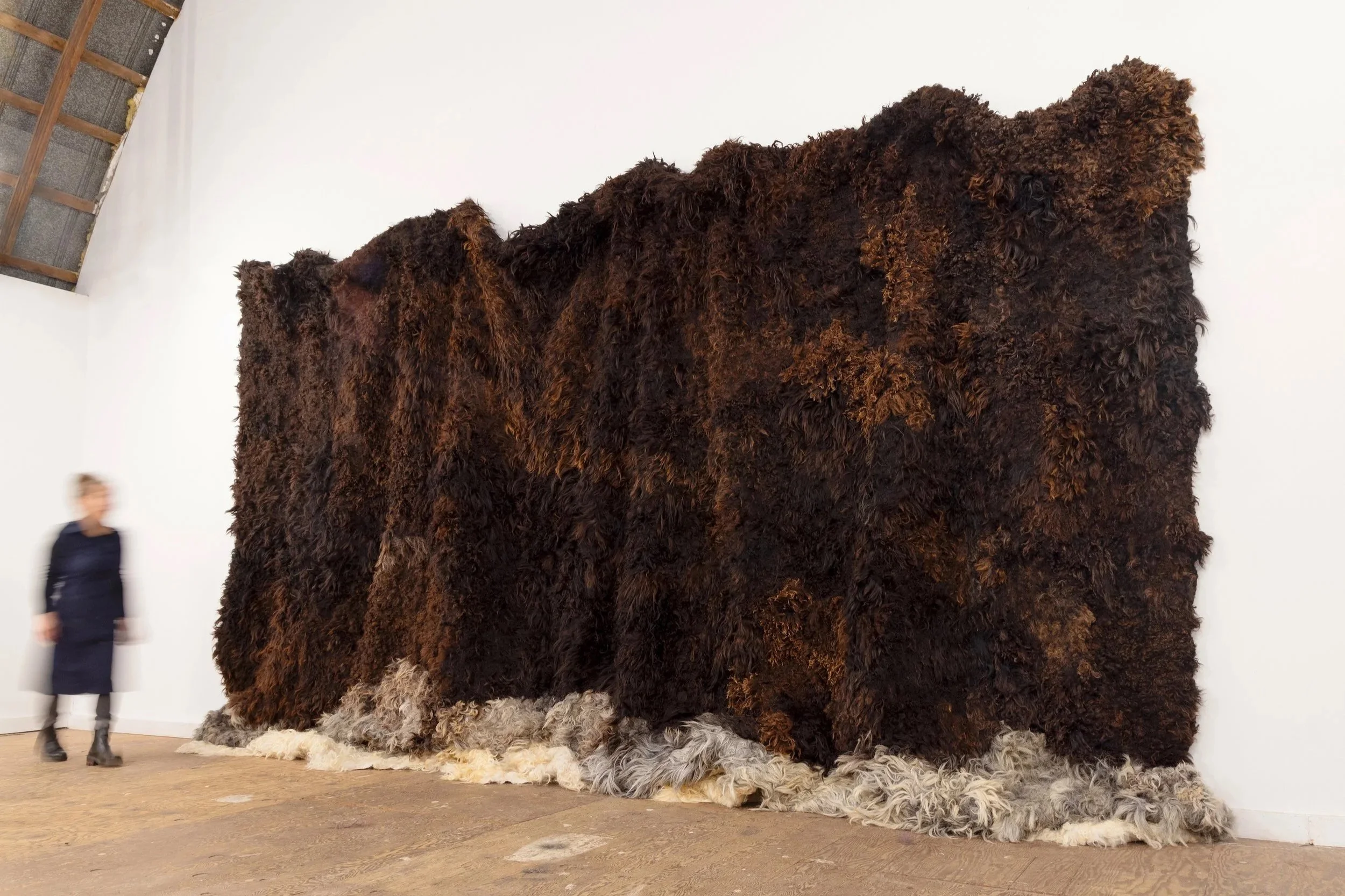
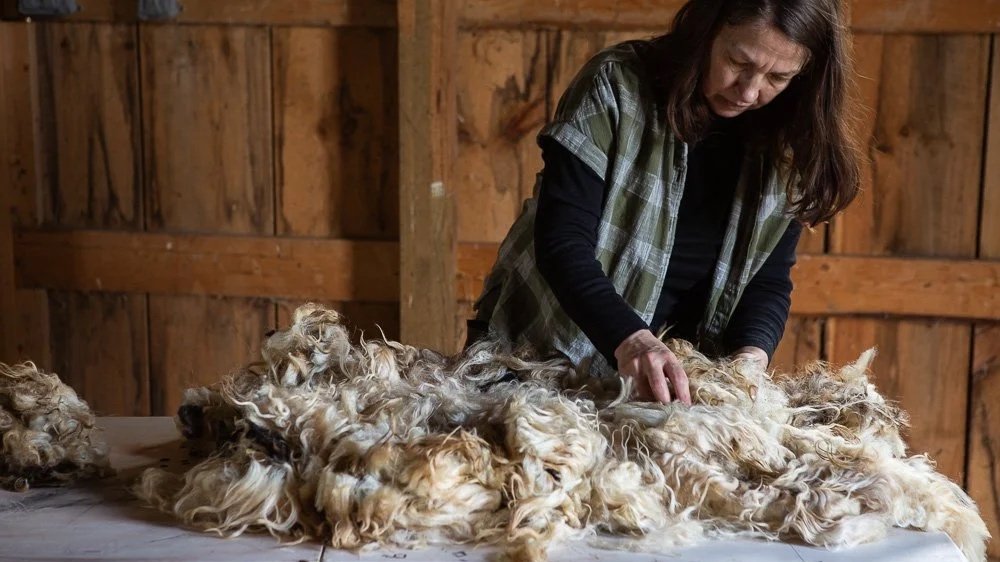
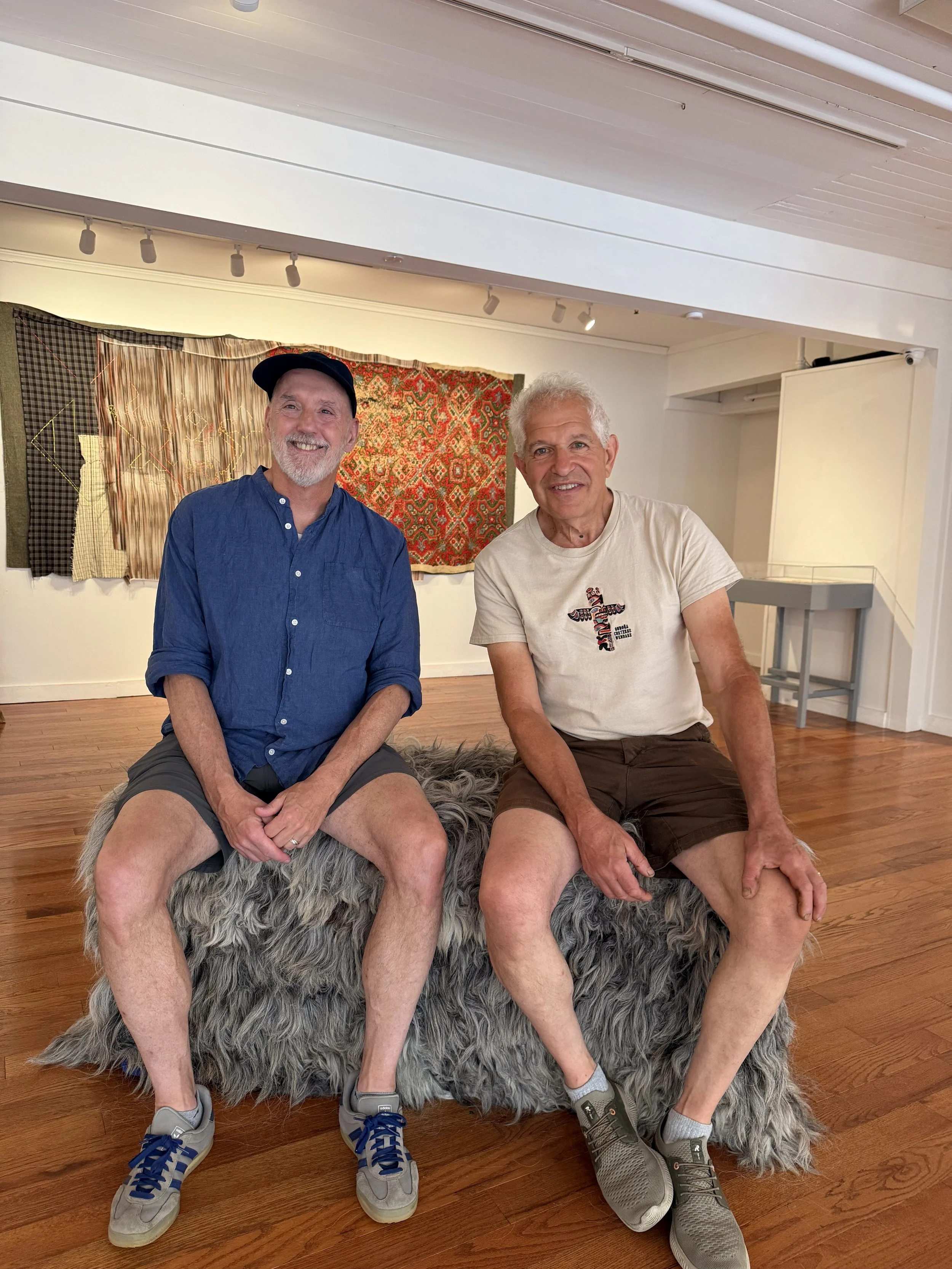
The ongoing installation currently consists of collecting and sorting through 652 pounds of raw wool and continues to grow with each shearing cycle. The flock is sheared twice a year, and approximately 100–160 pounds of wool is processed and added to the installation after each shearing, creating an evolving material archive that holds the memory of the flock, the farm, the seasons, and the relationships that sustain the work. The immersive environment invites visitors to physically engage with the material while exploring themes of farming, land stewardship, and material heritage. Visitors sit on the wool sculptures, gather, and enter into conversations, activating the installation as a living site of dialogue. Through this evolving work, Every Sheep Farmer Needs an Artist models a collaborative and regenerative material practice, connecting agriculture, craft, material, and community in a tangible and embodied way.
Skill Sharing
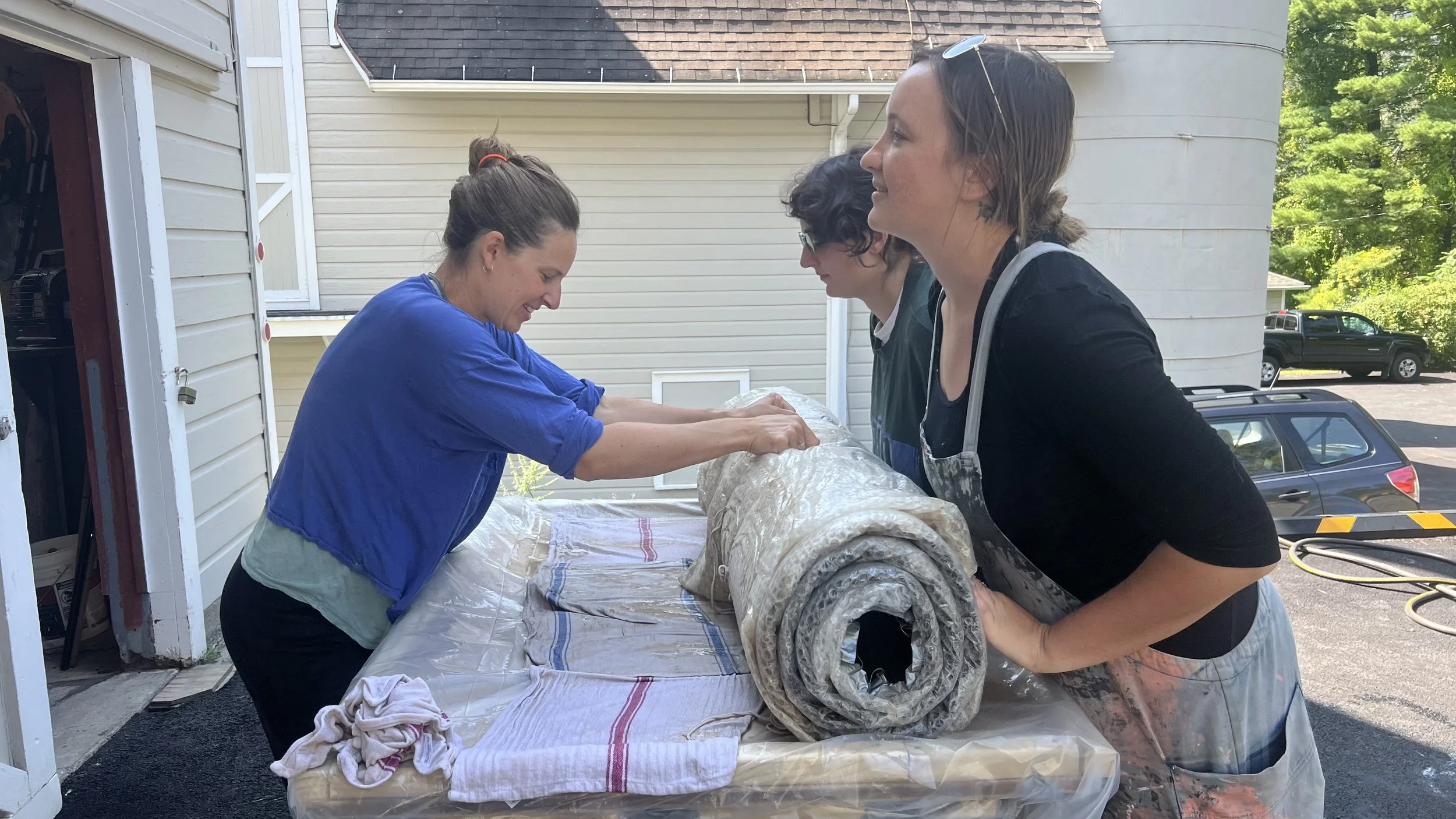
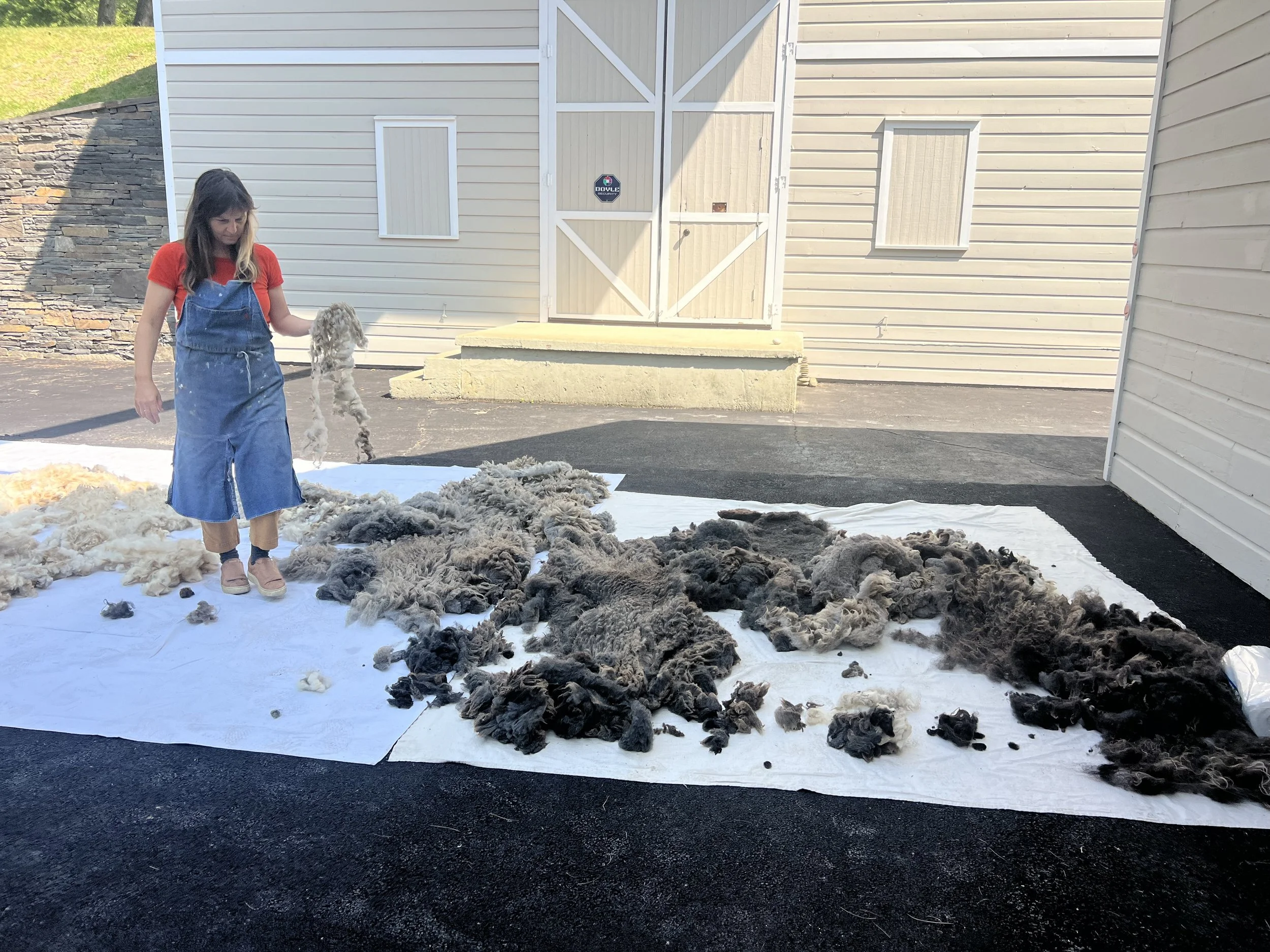
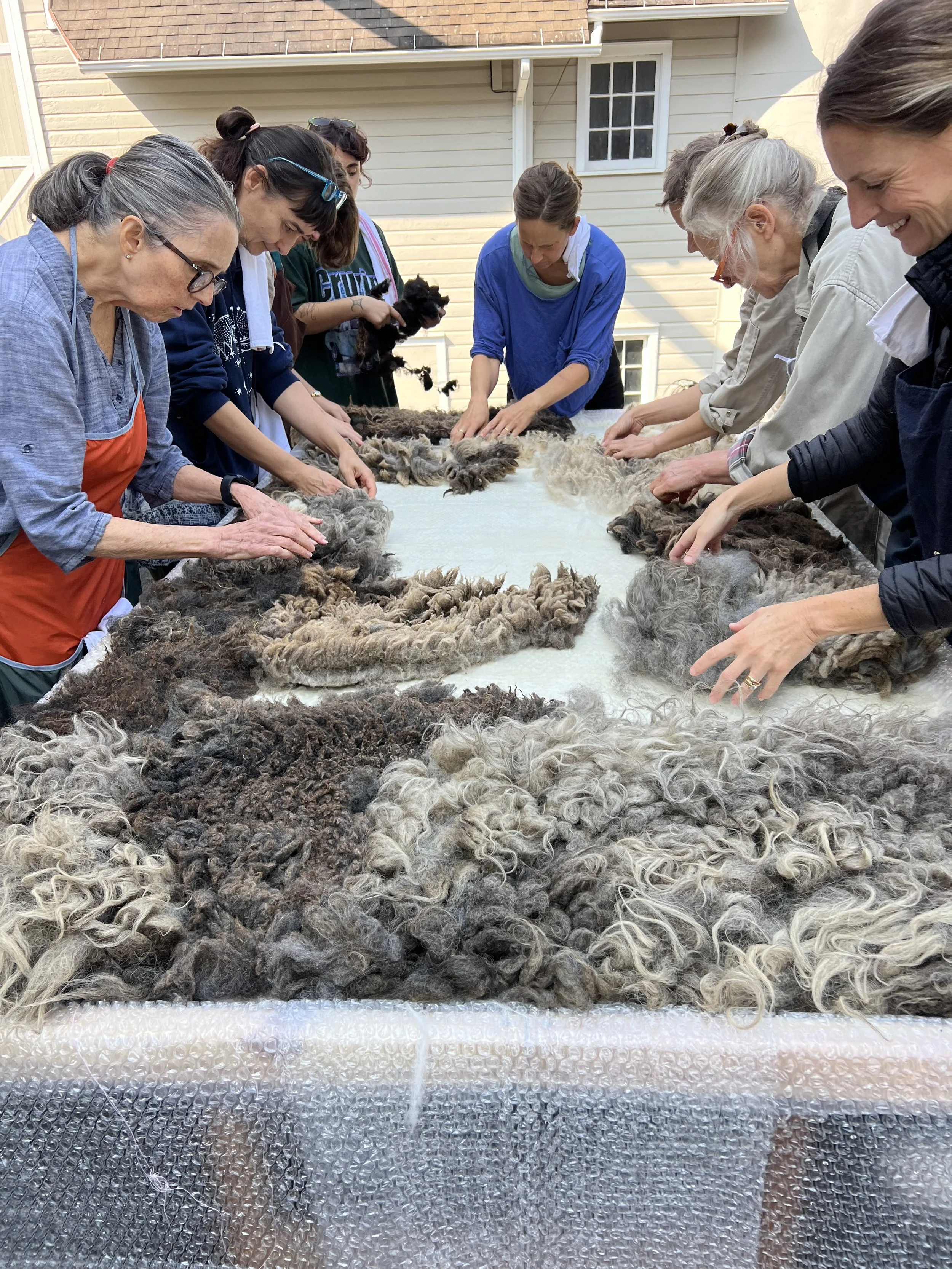
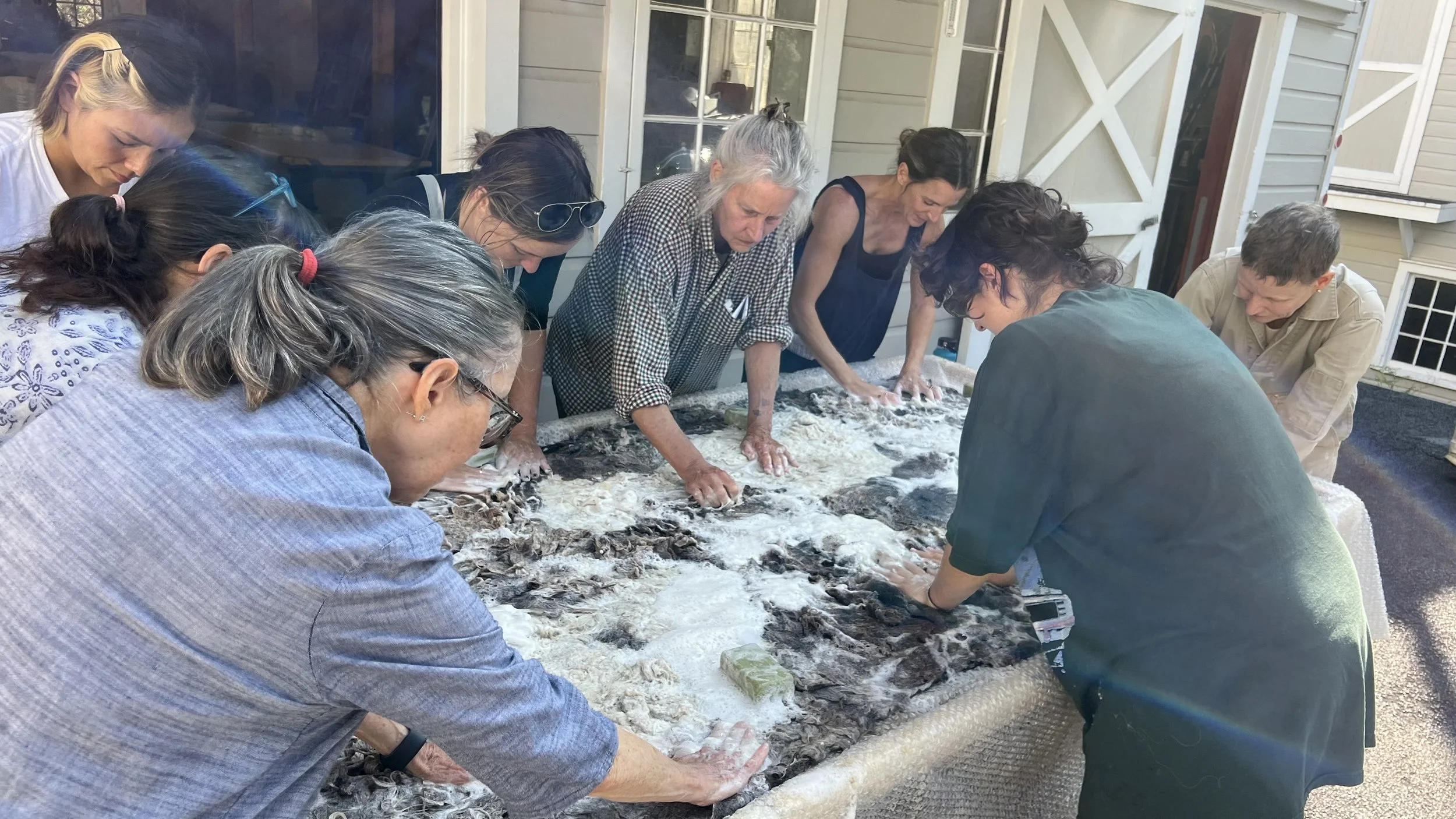
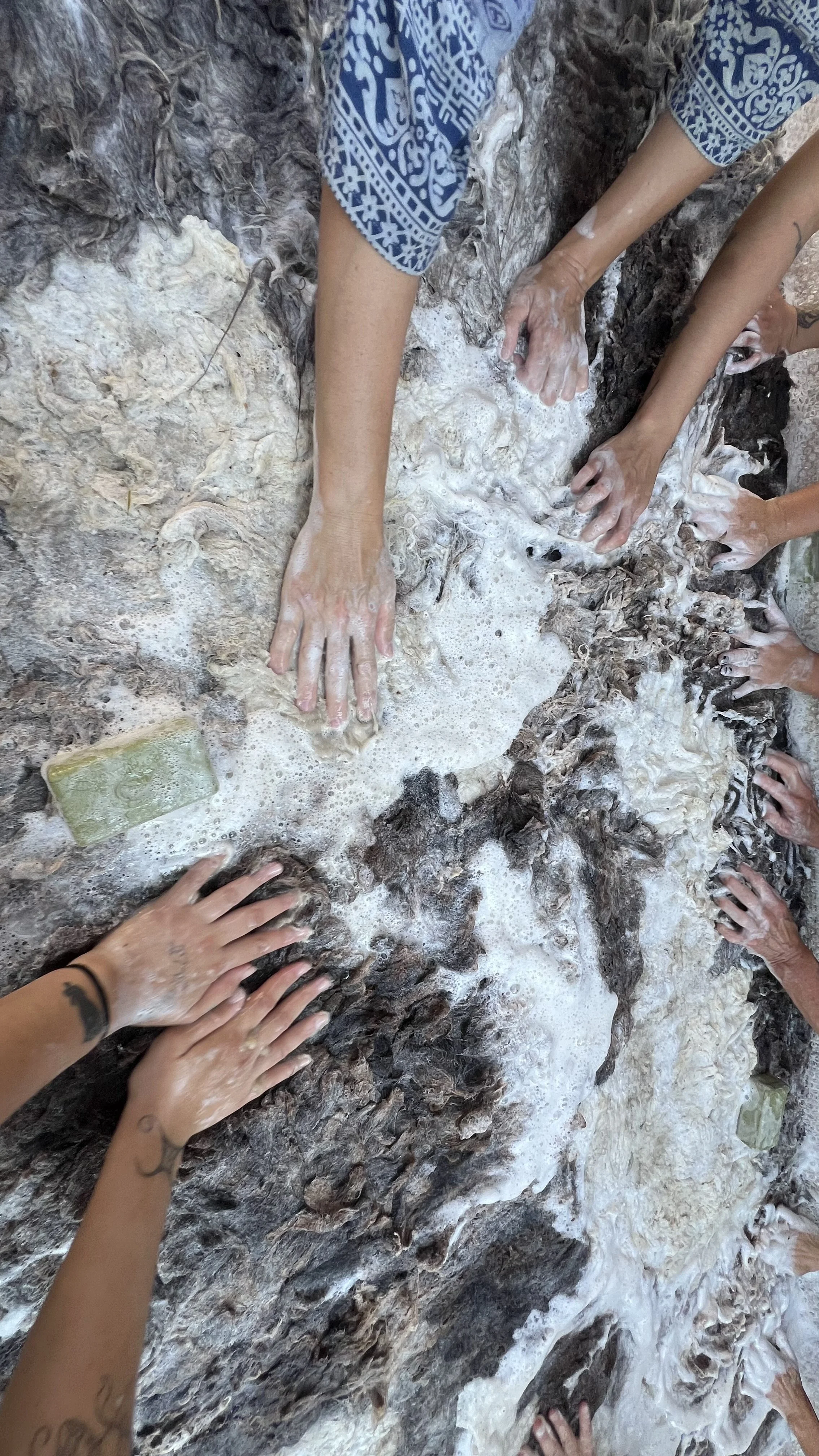
The Every Sheep Farmer Needs an Artist project creates opportunities for skill sharing through hands-on felt-making workshops that connect traditional craft, local wool, and contemporary artistic practice. Participants learn the process of transforming sheep’s wool into felt, developing practical skills while gaining a deeper understanding of the material and its connection to farming and the local landscape. The workshops encourage knowledge exchange between farmers, artists, makers, and community members, valuing both traditional knowledge and creative experimentation. By using locally sourced wool that might otherwise be considered a waste product, the project promotes sustainable practice, highlighting ways that natural materials can be reused, valued, and transformed. Teaching through making also creates an accessible space for people of different ages and experience levels to learn from one another, building confidence, creativity, and a stronger appreciation for sustainable craft.
The above images were taken during the Skill Sharing event at the Al Held Foundation, organized by the Rivers Valley Arts Collective in September 2024. The event brought artists, farmers, and community members together to share knowledge, explore creative practices, and celebrate the possibilities of working with natural materials such as sheep’s wool.
Photography primarily by Jill Bornand
Additional images by Christina Price Washington, Rob Croll, Mark Scherzer, Mikayla Patton, and Brigitta Váradi.
THE PROJECT IS SUPPORTED